
Build the knowledge
your factory can depend on.
A factory already holds valuable knowledge in its people, documents and everyday decisions. The first task is to make that knowledge explainable, technically dependable and available under the right conditions.
A knowledge base begins with a question worth answering.
Choose a real capability problem: a setup that depends on one person, a defect that different shifts classify differently, or a task that takes new starters too long to learn. The boundary should be specific enough to observe and important enough to justify attention.
Agree the task, the people who own it, the conditions that matter and what a useful result would look like. This keeps capture focused. A folder full of recordings is not yet a dependable method, and a published instruction is not yet a competent workforce.
The first three processes establish the foundation. The second guide follows the knowledge into teaching, assessment, daily application and improvement. Each process can reopen earlier questions when new evidence appears.
Acquire & Capture
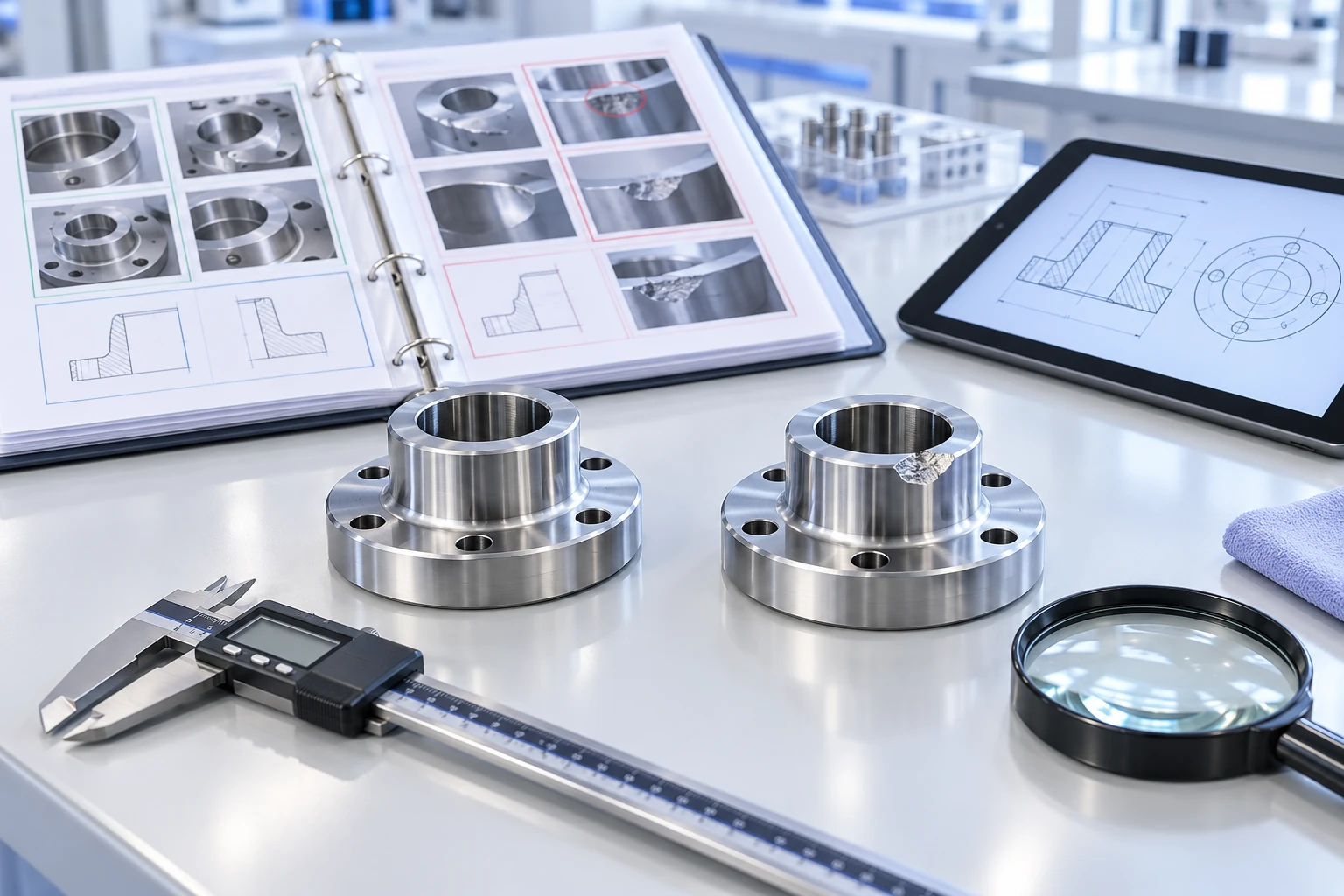
Every factory holds knowledge in many forms: documents, supplier instructions, production records and the practical experience of its employees. The first step is to identify which knowledge matters most to quality, safety, production continuity and future development.
Working with managers and employees, we identify experienced people across departments and shifts. We observe their work, record demonstrations and ask them to explain their decisions. What do they notice? Why do they choose a particular method? How do they recognise a developing problem, and when do they ask for help?
Relevant documentation is gathered, scanned and organised alongside these practical contributions. New recruits, suppliers and technical specialists can also introduce valuable knowledge.
Each contribution is recorded with its source, purpose and operating context. Questions and gaps remain visible for investigation. This creates a structured collection of knowledge ready for research and validation, while preserving the reasoning that makes practical experience valuable.
What should exist after this stage: A traceable contribution with a source, purpose, operating conditions and open questions.
Research & Validate
Captured knowledge must be examined before it becomes approved guidance. A method may work well for one product, machine or operating condition while being unsuitable elsewhere. Different shifts may also have developed conflicting explanations or procedures.
This process brings practical experience together with technical documentation, supplier guidance, quality records and other relevant evidence. Experienced employees and the responsible technical specialists investigate differences, clarify uncertainties and establish the conditions under which a method can be used.
Where necessary, controlled demonstrations or trials provide further evidence. The review considers the method’s effects on safety, quality, equipment and the wider production process.
The responsible owner approves the resulting guidance, including its limitations and review requirements. Unresolved contributions retain a clear status until the necessary questions have been answered.
The factory gains a dependable basis for teaching and decision-making, with an explanation of why the approved method is appropriate and when it needs to be reviewed.
What should exist after this stage: Reviewed guidance with evidence, accountable approval, applicability limits and review triggers.
Store & Protect
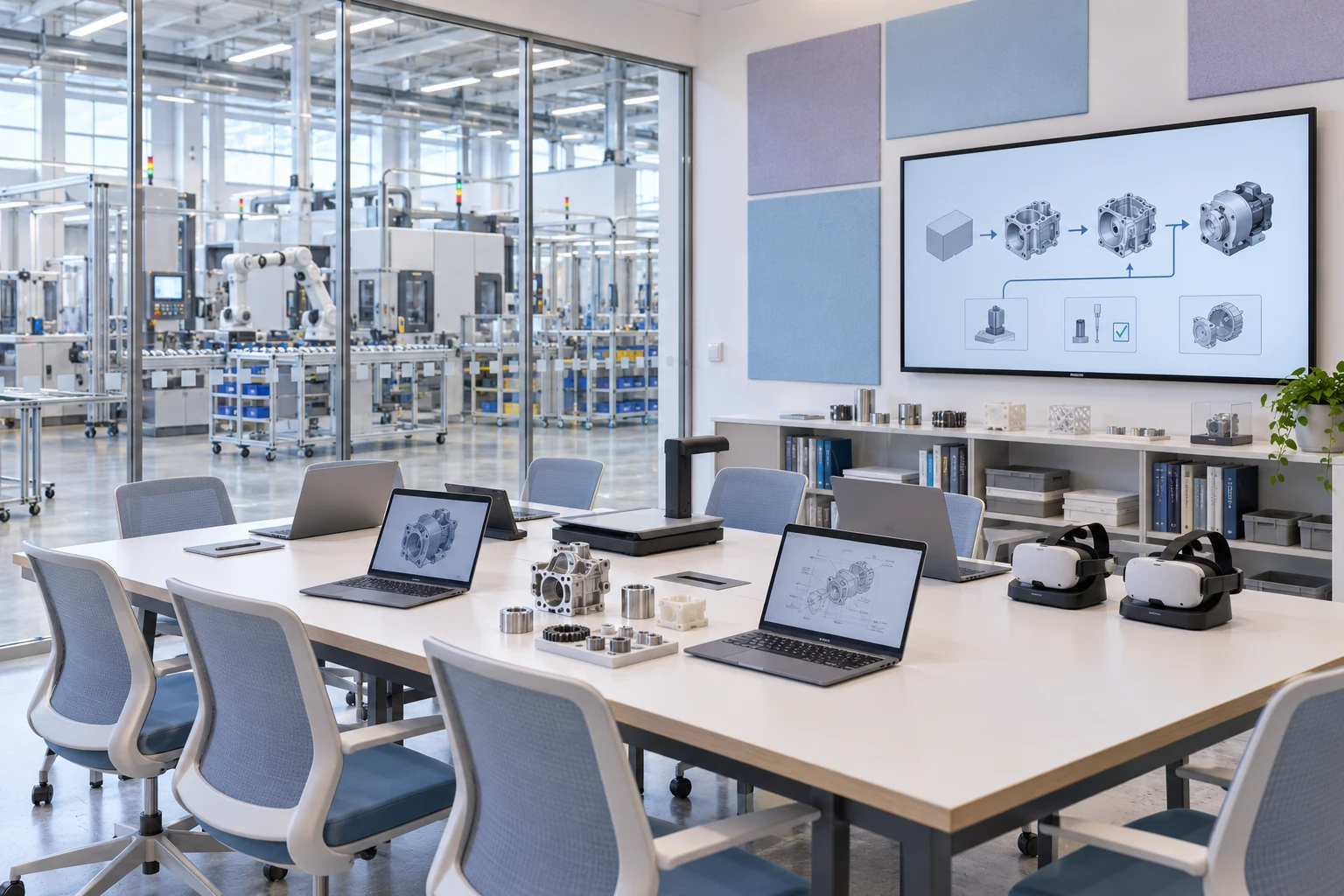
Approved knowledge needs a safe and durable home. That is why we call it the Vault. The Evolve Knowledge Vault brings together practical demonstrations, work instructions, technical documents, troubleshooting guidance and learning materials within a controlled structure.
Materials are organised around the factory’s equipment, tasks, products and employee roles. Related resources are connected so that someone viewing an instruction can also find its demonstration video, relevant warnings and supporting explanations. Clear names and search terms help employees locate what they need.
Each knowledge asset has an identified owner, approval status, version and review date. Updated guidance replaces superseded material in everyday use, while earlier versions remain traceable where required.
Access, local storage, backup and recovery arrangements are established according to the client’s operational and confidentiality requirements. The client retains control of its knowledge.
This creates an accessible, maintained knowledge base that supports learning and daily work while reducing dependence on personal files, scattered paperwork and individual memory.
What should exist after this stage: A current knowledge pack with access, ownership, version status and recovery arrangements.
Turn a recurring quality problem into a dependable knowledge pack.
Imagine that a factory reports “edge damage” as one defect category. Experienced people recognise several patterns, but those distinctions are not recorded consistently. Management sees a total while operators are responding to different situations.
Capture begins with samples, observations and explanations across shifts. The team records where damage appears, which product and handling conditions are involved, and what the experienced operator notices before changing the method. The aim is to retain useful distinctions rather than reproduce every detail of a shift.
During validation, responsible specialists compare those accounts with process records and relevant technical guidance. They separate supported findings from plausible explanations and identify which cases still need investigation. Approved guidance describes the recognition criteria, the appropriate response and the conditions requiring escalation.
The Vault then connects the instruction, demonstration, reference examples and approval record under the task. It gives the right employees access and makes the current version obvious. A new material, changed equipment or an unexpected failure becomes a review trigger, not an invitation to apply yesterday’s correction automatically.
The next test is practical: can other people learn the distinction and use it? That is the subject of Part 2.
Check the foundation before expanding the collection.
- The task and its operational importance are clear.
- Experienced contributors and a responsible technical owner are identified.
- Sources, conditions and unresolved questions are recorded.
- Approval, access, version control and review triggers are defined.
- The collection is organised around the work people need to perform.
- The next learners, available practice and competence requirements are understood.