
Turn approved knowledge
into capable, adaptable work.
A method creates value when people can recognise when it applies, perform it with the required resources and know when to seek help. Teaching, verification, daily use and improvement complete the learning cycle.
A learner needs more than access to an instruction.
People need an explanation that makes sense, time to practise and feedback that reveals what still needs development. The organisation also needs competent cover, appropriate authority, suitable tools and a route for handling exceptions.
A task may be easy to describe and difficult to judge. Experienced operators often recognise subtle cues, choose between several responses and notice when the familiar method no longer fits. Good learning preserves that reasoning and makes it possible for others to develop it.
Part 1 established what the factory can responsibly teach. These four processes establish whether the knowledge becomes usable capability and whether it continues to improve.
Teach & Explain
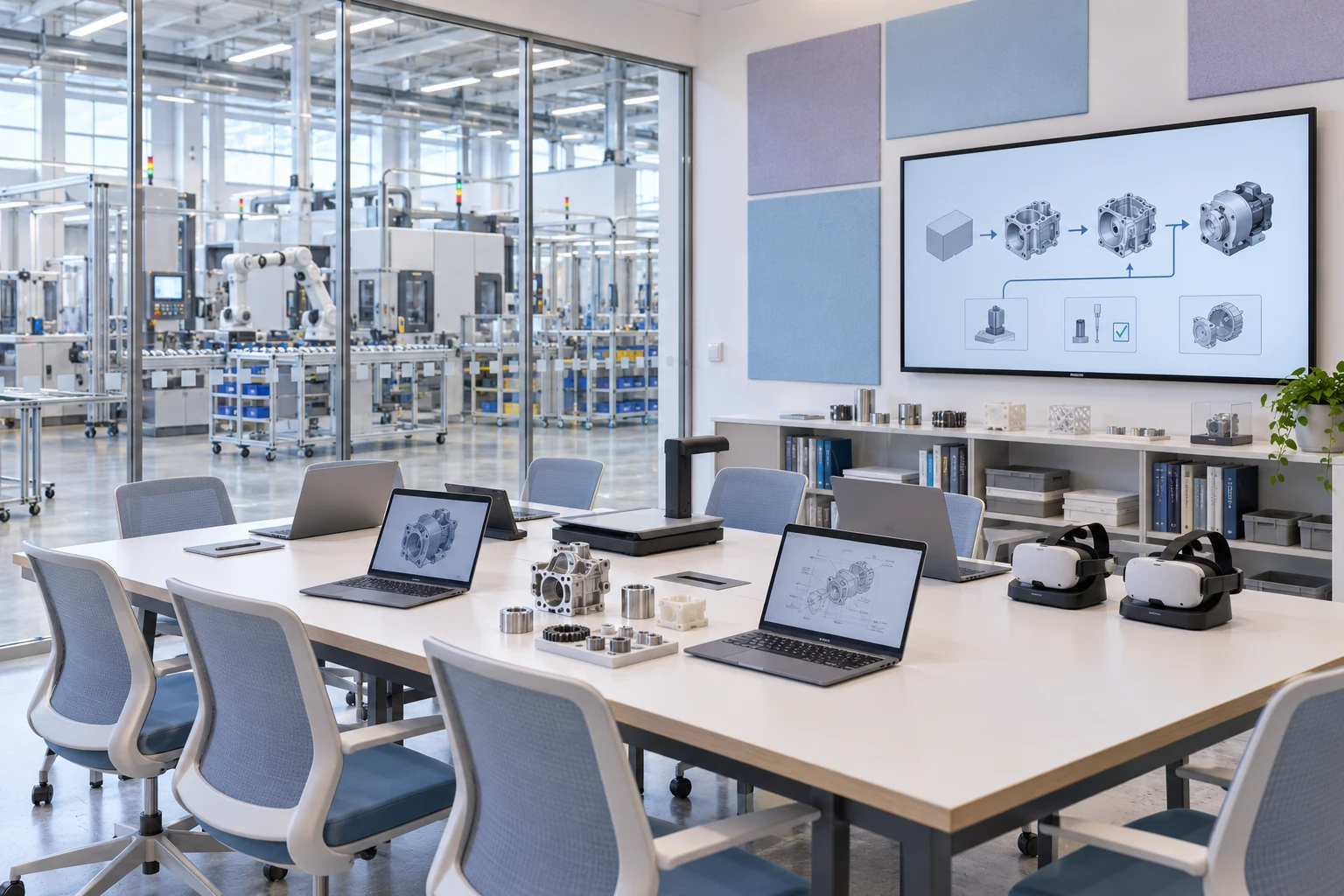
Approved knowledge becomes useful to the workforce through clear explanation, relevant practice and opportunities to ask questions. Employees need to understand the purpose of a method, the decisions involved and the consequences of applying it incorrectly.
Learning programmes are developed around each employee’s responsibilities, existing competence and development interests, together with the factory’s operational priorities. Managers agree suitable learning time so employees can participate without leaving production requirements unplanned.
The teaching method follows the task. It may involve an experienced mentor, a practical demonstration, short videos, interactive learning, physical simulation or virtual reality. Employees learn how to recognise normal conditions, identify exceptions and understand when to stop or seek support.
Experienced operators also contribute their reasoning and learn from colleagues in other areas. Their expertise can support recognised mentoring and training responsibilities.
Through this process, employees build a clearer understanding of their work and a practical route towards broader skills and future responsibilities.
What should exist after this stage: A learner who has received a relevant explanation and supported practice, with questions and development needs visible.
Test & Validate
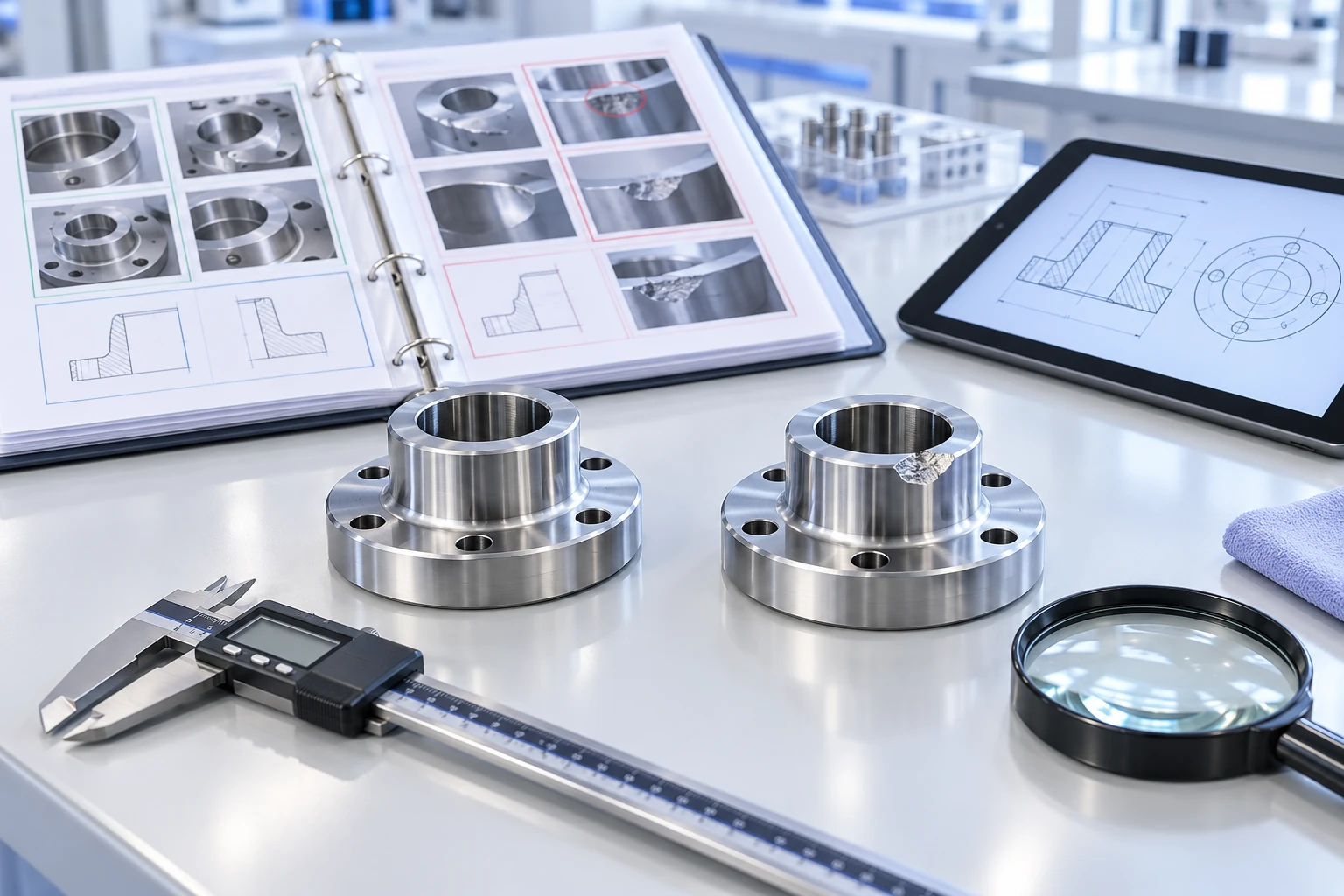
Once employees have received instruction and supported practice, the next step is to establish what they understand and can demonstrate. Research & Validate checks the knowledge itself; this stage checks the learner’s ability to use it.
The responsible technical owner agrees clear, task-specific competence criteria. Depending on the activity, employees may explain a decision, recognise a defect, respond to a simulated problem or demonstrate an approved working method under appropriate supervision.
Assessment includes the reasoning behind an action. Can the employee explain why the method matters? Can they recognise its limits, respond to an unusual situation and identify when assistance is needed?
Evidence, outcomes and development needs are recorded against the particular task and operating conditions. Where gaps remain, further explanation, practice and reassessment are arranged.
This gives employees a clear understanding of their progress and gives managers better visibility of workforce capability, including where additional support or supervised experience is still required.
What should exist after this stage: Task-specific evidence of understanding and practical performance, including limits and further support.
Apply & Use
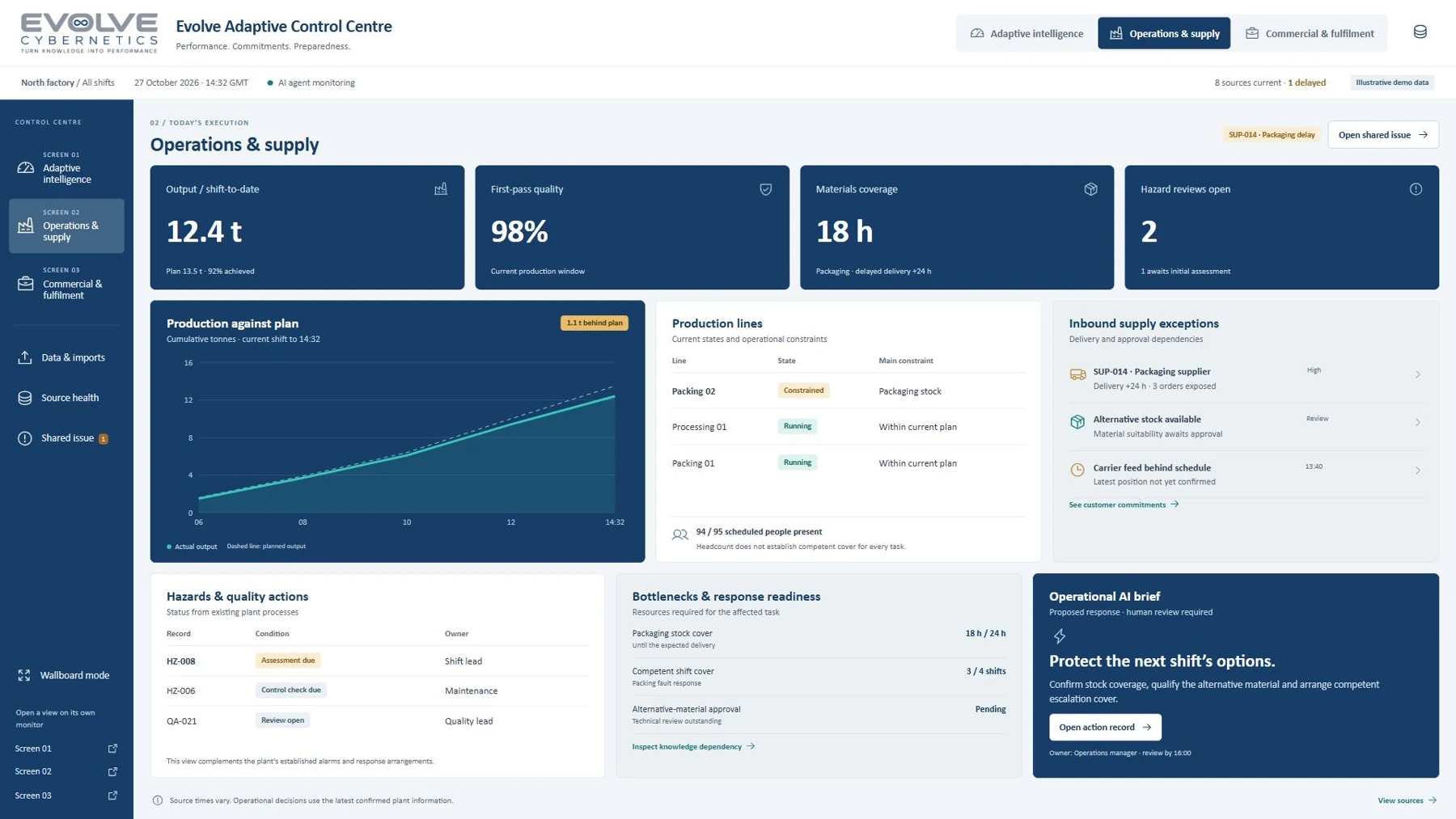
The value of learning becomes visible when employees apply their skills in everyday production. This stage connects demonstrated competence with the factory’s working arrangements, supervision and authorisation requirements.
Current instructions and practical guidance are available where the work takes place. Employees understand their responsibilities, the limits of their competence and how to raise questions or report exceptions. Handovers help teams maintain consistent methods across shifts.
Managers and supervisors observe how learning transfers into practice. Suitable quality, safety and production information helps reveal where employees are applying methods successfully and where further support is needed.
As more people become competent across different stations, the factory can develop greater flexibility when managing absence, changing production requirements or introducing new products.
Daily experience also produces new knowledge. Difficulties, unexpected conditions and employee suggestions are recorded and fed into the learning cycle, allowing operational practice to strengthen the system that supports it.
What should exist after this stage: Evidence of use across relevant shifts and conditions, with exceptions entering the learning cycle.
Improve & Invent
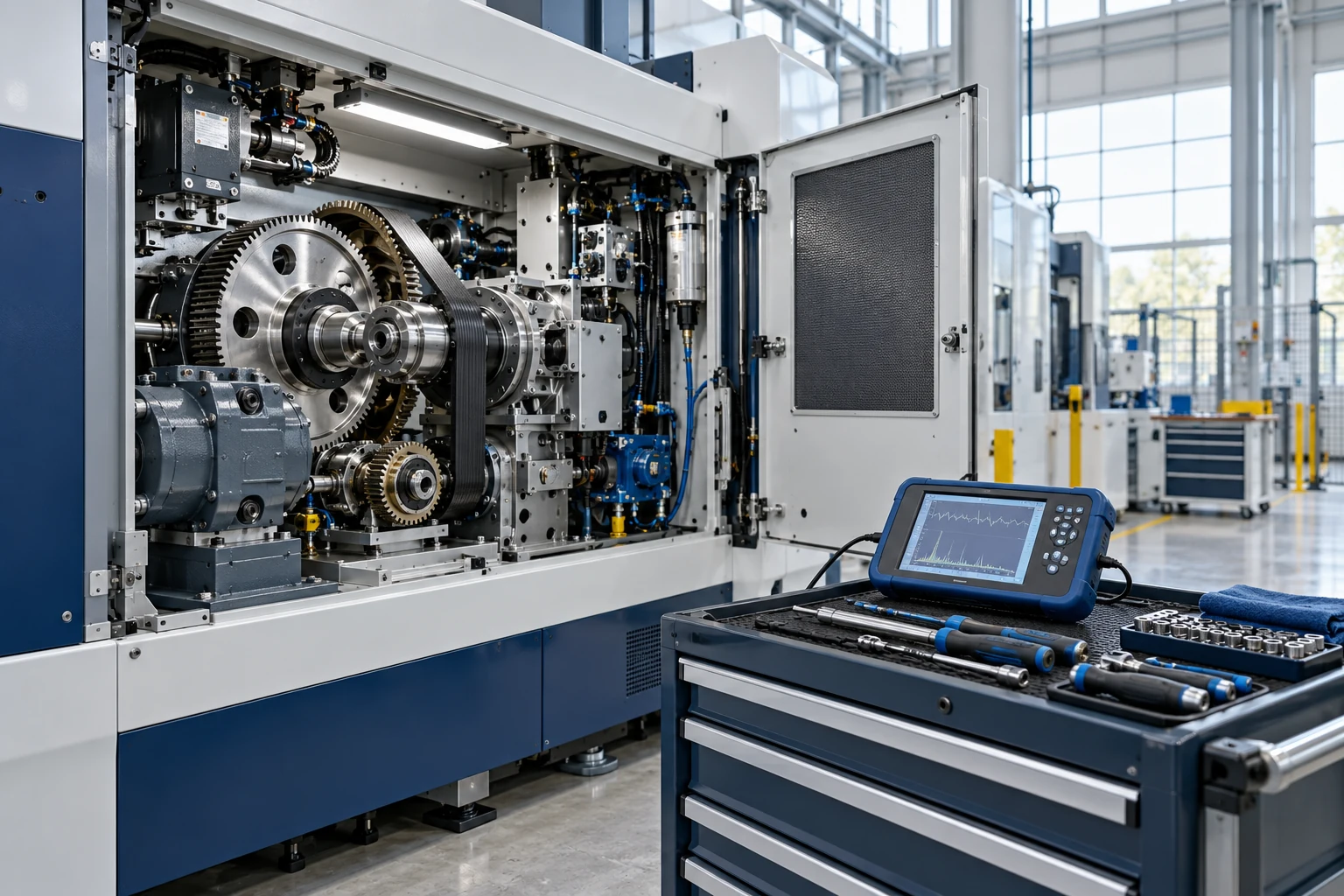
A factory that learns continually uses its experience to develop better methods. Employees who understand their work can recognise recurring problems, question unnecessary effort and suggest improvements that may otherwise remain unnoticed.
Ideas can come from operators, maintenance teams, quality specialists, managers, suppliers and new recruits. Defects, breakdowns, customer feedback and changing technologies provide further opportunities to investigate and learn.
Promising ideas are explored through controlled trials with agreed measures and appropriate technical oversight. Their effects on safety, quality, productivity and other parts of the operation are considered before adoption.
Employee contributions receive recognition through the organisation’s agreed arrangements. Recording unsuccessful trials also preserves useful lessons and helps prevent repeated mistakes.
Supported improvements return through capture, research, approval, storage and teaching. The knowledge base develops, employees learn the revised method, and practical experience begins the next cycle. Each turn of the wheel strengthens the factory’s ability to understand, adapt and improve.
What should exist after this stage: A tested lesson or proposal with recorded outcomes and a route into the next approved method.
Protect learning time and make progression visible.
Build an individual programme around the employee’s responsibilities, current competence and development interests, together with the factory’s priorities. Identify relevant tasks, mentors, practice opportunities, evidence requirements and review dates.
Managers agree a learning allowance that the operation can sustain. A missed session creates an outstanding development action to reschedule; it should not disappear because the shift was busy. The coordinator keeps the plan moving while technical owners approve content and authorised assessors make competence decisions.
A current competence matrix should distinguish developing, supervised and independent capability under the relevant conditions. It can reveal whether a shift has useful cover or merely matching job titles. Broader competence supports flexibility, while mentoring and technical roles give experienced employees ways to contribute beyond repeating the same task.
Leadership development is a related but separate pathway. A strong operator is not automatically ready to supervise a team. Trainee team leaders, supervisors and shift managers need learning that addresses coordination, communication, quality, safety and operating decisions.
Measure the conversion into capability, not attendance alone.
Choose measures that match the problem. Examples include time to verified competence, competent task cover across shifts, consistency of defect classification, recurrence of the problem and the time needed to recover. Record the starting position and review other changes that may influence the result.
Follow a lesson from capture to technical review, learning, practice, verification and application. A bottleneck at one transition explains more than an undifferentiated total of training hours. An unreviewed recording, an unpractised procedure and a verified skill awaiting authorisation need different next actions.
Learning velocity is useful only when the start and finish are clear. Faster completion is not better if verification becomes weaker or an unsuitable explanation spreads more quickly. Keep the evidence, cost, retention and applicability of the new capability visible.
Finally, review the learning system itself. Did it notice the right distinction, involve the right people and reach the next shift? Improving that process is recursive learning: the organisation becomes better at developing its next response.
Return to Part 1 See who coordinates, approves and supports the work