THE INTELLIGENT ENTERPRISE
The intelligent
enterprise
From factory knowledge to dependable robotic production
 The Power of Intelligence← Presentations
Preparation starts before the equipment arrives.
The Power of Intelligence
THE INTELLIGENT ENTERPRISE
From factory knowledge to dependable robotic production
Preparation starts before the equipment arrives.
A personalised assessment begins at your premises, with observation of an agreed operational area and conversations with your people. Explore the service or discuss a suitable starting point.
Local design preview. Direct enquiry delivery is not connected yet.
A new industrial revolution is taking shape. Artificial intelligence is moving into physical work, and manufacturers are exploring what robots can do inside their operations. The opportunity is real. Capturing it takes a journey that begins long before a robot arrives.
Early adopters build knowledge about their tasks, their data and their technology partners. That experience takes time. The next two to three years are a serious planning horizon. Hyundai has announced Atlas sequencing applications from 2028. This is a company plan, rather than a timetable for every factory.
BMW works with Figure on production and logistics applications. Mercedes-Benz and Apptronik have collaborated on manufacturing use cases. Hyundai provides manufacturing environments for Atlas training and validation. These collaborations help adapt robot skills, tooling and workflows to real tasks. A partnership can begin with one clearly defined use case.
The path includes process study, technology selection, infrastructure preparation, robot training and employee development. A controlled pilot must then demonstrate safe, repeatable performance and a business case before wider deployment. Some workstreams overlap. Some tasks need established automation rather than machine learning.
We observe the process and interview the people doing it. We measure cycle times, waiting, handling, defects and causes of stoppages. We record product variation, loads, reach, precision, hazards and exceptions. The result is a task specification and a baseline against which improvements can be measured.
Before automating, we examine unnecessary movement, poor presentation of parts and avoidable rework. Lean methods help simplify and stabilise the process. Fixtures, standard containers or a different layout may make automation easier. We check the whole production flow, so faster work at one station does not simply create a queue at the next.
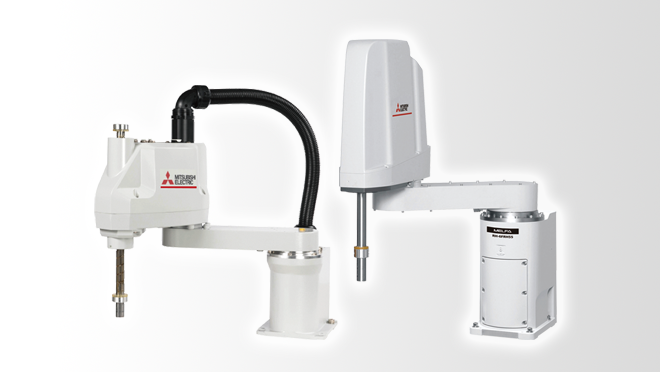
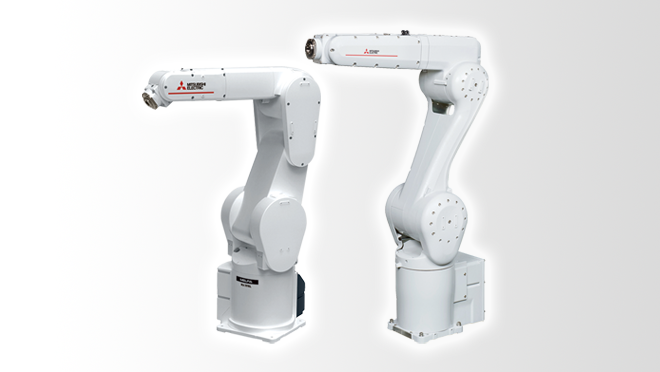
A fast sorting task may suit a SCARA robot. An articulated arm may suit machine tending or palletising. Mobile robots move materials. Humanoids may help where tasks require movement through spaces built for people. Collaborative applications still require a risk assessment. Shape and novelty cannot replace suitability, reliability and cost.
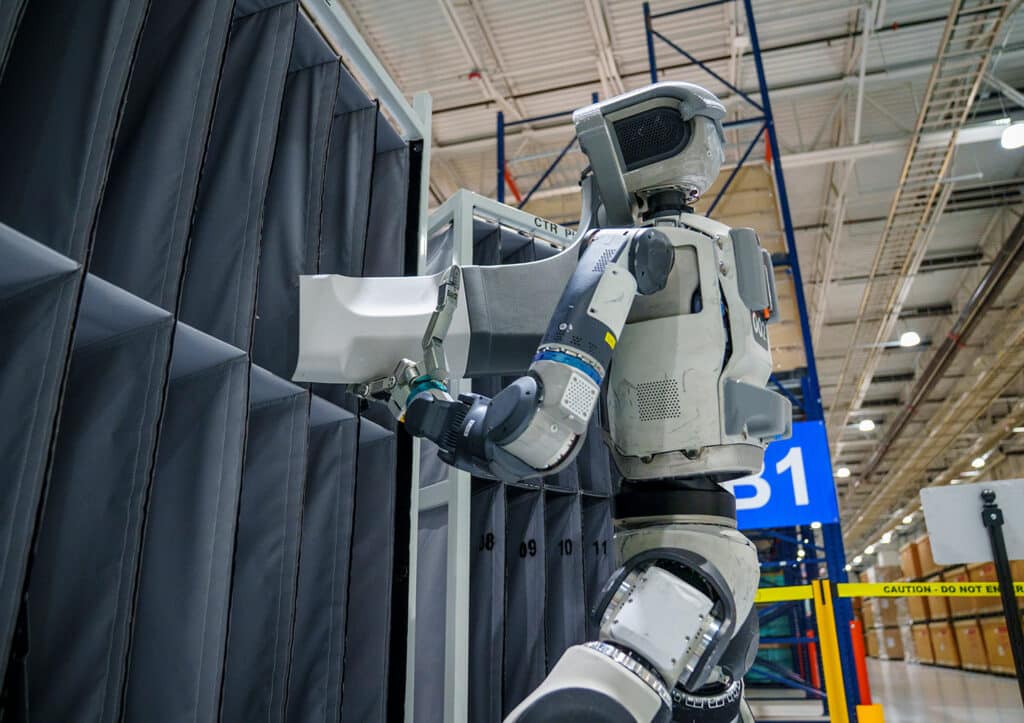
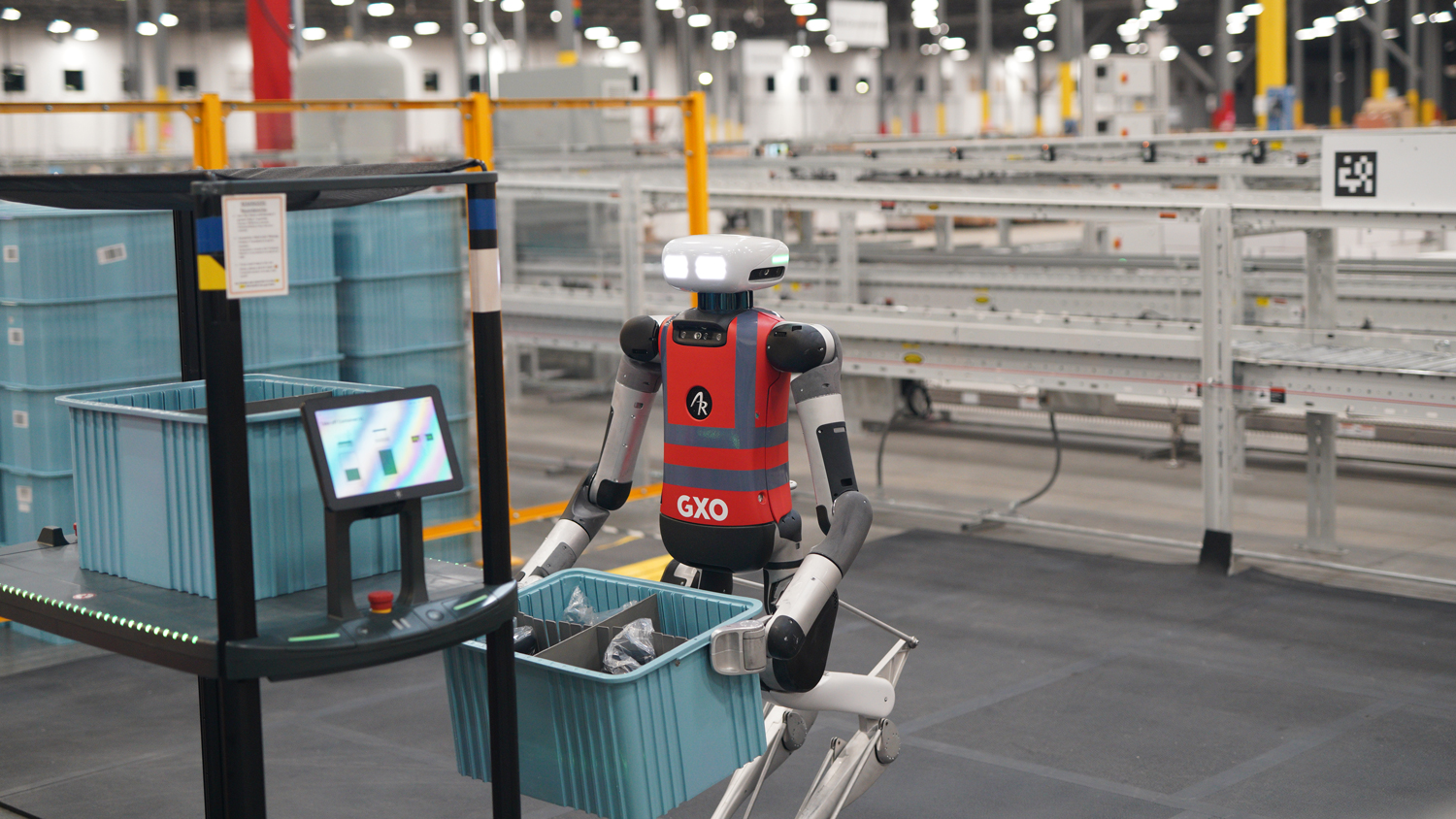
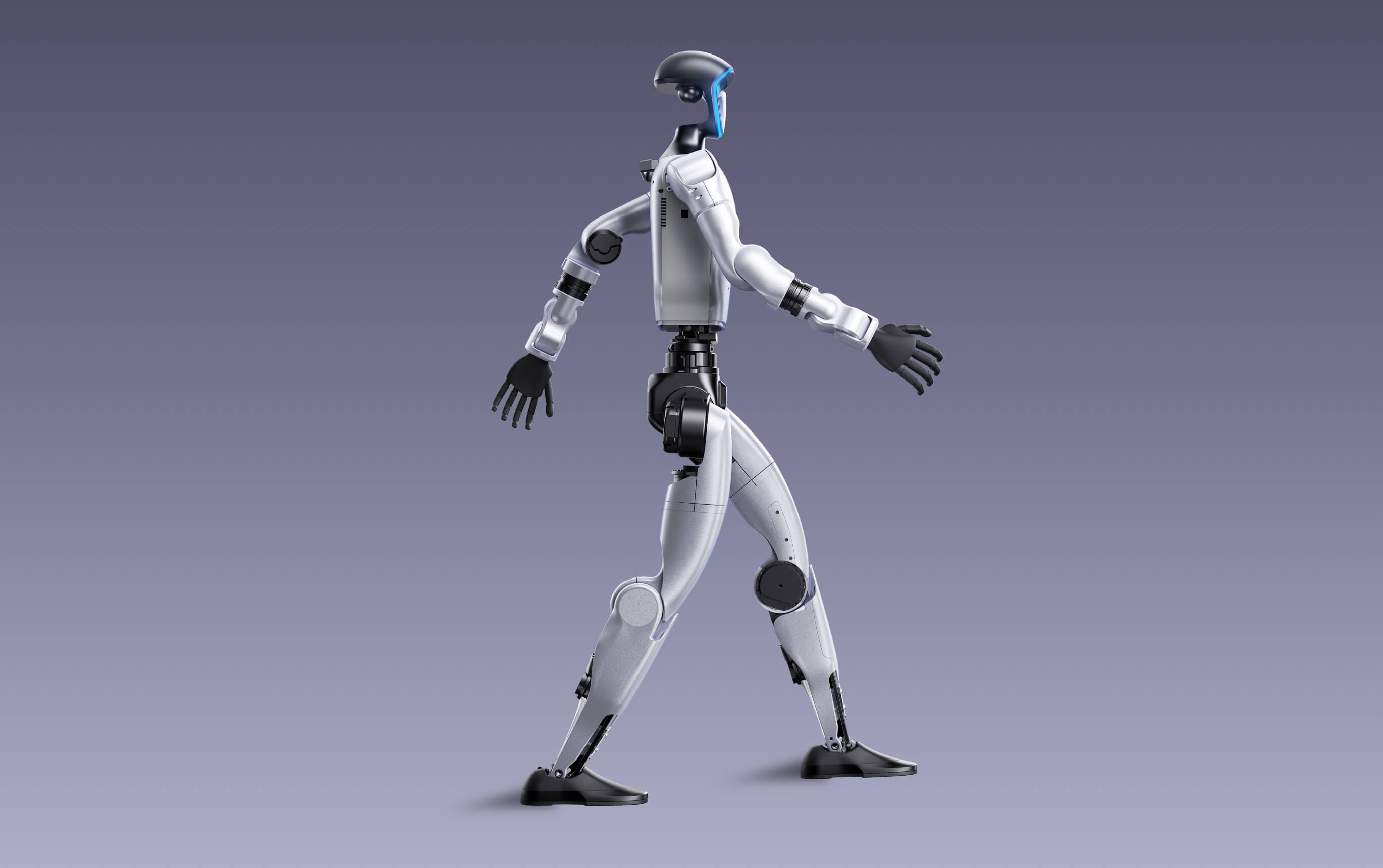
Atlas, Digit and Unitree G1 illustrate different designs and development paths. Figure and Tesla Optimus are further programmes to follow. Mitsubishi’s MELFA range illustrates the established industrial arm alternative. Some platforms also offer wheeled configurations. Compare the specific model, available skills, service support and proven task performance. A demonstration or research platform does not establish production readiness.
Selection starts with payload, reach, grip, accuracy and cycle time. Glass handling adds fragility, surface protection and secure gripping requirements. Compare space, product changes, integration, supplier support and total ownership cost. Options include conventional machines, cobots, mobile platforms and humanoids, as well as improving the process without new robots.
Supervised learning uses labelled examples, such as images of acceptable and defective products. Self-supervised learning uses structure in data to learn useful representations. Imitation learning uses task demonstrations. Reinforcement learning improves behaviour against a reward, often in simulation. Developers can combine these methods with conventional control and existing foundation models.
Experienced operators can help demonstrate the task. Depending on the platform, specialists record teleoperation, guided robot movements or other demonstrations. Useful data can include synchronised camera views, robot positions, gripper states and forces. Videos alone may miss essential action information. Teleoperation collects demonstrations. Learned policies still need separate validation.
A digital model helps evaluate layout, reach and collisions before equipment changes. Simulated practice can vary lighting and object positions, creating more training examples. Developers may adapt a pretrained vision-language-action model to the task. Simulation and transfer can reduce development effort, but real machines still need checks for differences in friction, sensors, timing and materials.
The developer and factory should agree what data the task needs before collection. Capture successful cycles, difficult variations and recovery from failures. Calibrate sensors, synchronise records and reserve independent examples for evaluation. Agree data ownership, worker permissions, confidentiality and any separate licensing. A useful dataset is consistent and matched to the robot.
Preparation may include changes to workstations, fixtures, routes, floors, storage and loading points. It includes power, charging or battery swaps, communications and safe maintenance access. Specialists design safeguarding, emergency stops and safe recovery procedures for the complete application. Changes should suit the chosen technology and the actual environment.
Robots must exchange the right signals with conveyors, production machines and other robots. The workflow defines who can move, when a station is ready and what happens when something fails. Production and warehouse systems can assign tasks and record outcomes. Secure access, reliable interfaces, human override and controlled software updates help keep coordination dependable.
Operators can help define tasks and train as robotics supervisors, monitoring work and handling exceptions. Maintenance staff need model-specific skills in inspection, diagnostics and safe servicing. Plan training and supervised practice before deployment. Define competence requirements, responsibilities, progression and support for affected employees. New roles need a deliberate transition.
Start with a bounded application and agreed acceptance criteria. Measure successful cycles, quality, intervention time, downtime and performance across representative products and shifts. Check safe stopping and recovery, unusual conditions and effects on neighbouring processes. Compare results with the original baseline. Include training, support and maintenance costs before deciding whether to scale.
Suitable robotics can reduce repeated lifting, awkward handling and exposure to hazardous operations. Machines designed for the application can take on heavy loads and demanding repetitive work. Employees can spend more time solving problems, improving quality and meeting customer needs. Those gains depend on safe engineering and a plan for how people use the time released.
A well-designed robotic process can deliver repeatable motion and consistent quality. On suitable repetitive tasks, established robots can achieve fast cycle times and reduce handling variation. Potential results include fewer defects, less scrap and rework, steadier throughput and improved delivery. Product changes, upstream supply and downstream capacity determine how much potential the business captures.
Extended operating hours can make new production patterns possible. Apptronik describes Apollo 2 as designed to enable seven days of twenty-two-hour operation with swappable batteries. That is a supplier design claim, not a promise of twenty-two productive hours in your factory. Charging, service, faults, supervision, parts supply and demand all affect usable output. Validate duty cycle and cost on your task.
Mobile robots can deliver parts, remove finished work and coordinate with conveyors or robotic cells. Fleet management can assign work and manage shared routes and charging. Self-driving vehicles may extend automation into yards and external logistics. Private-site operations differ from public-road driving. In Britain, road deployments depend on authorisation and operating conditions, with a commercial pilot application scheme available in 2026.
Reliable automation can release capacity and people’s time for new products, additional orders or services that previously seemed impractical. Connected data can improve planning and reveal opportunities. Reusable robot skills may help expand suitable tasks across a fleet. Creativity comes from people deciding what customers value and where the business should grow.
The investment case includes equipment or leasing, tooling, integration, infrastructure, training and disruption. Running costs include energy, software, maintenance and specialist support. Compare cautious, expected and favourable scenarios. Count labour savings only when costs actually fall, and extra capacity only when it creates value. Track results after deployment and improve continuously.
AI-assisted software, simulation and engineering may accelerate development. The pace remains uncertain, and physical reliability still has to be earned. Competitors and new entrants can build experience while you wait. Moving from smart systems towards an intelligent enterprise begins with active preparation. Delaying too long can weaken competitiveness and, in some markets, threaten business viability. Start learning where change could matter most.
Evolve Cybernetics begins at your premises, studying one agreed operational area and speaking with managers and operators. You receive priorities, indicative costs and benefits, and a practical roadmap. The standard scope is ten total consulting hours for two thousand pounds, including preparation, the visit, analysis and reporting. Detailed engineering, training and implementation follow as separately agreed projects with suitable specialists.
You do not need a fully automated factory to take the first step. You need a clear view of your process and a plan to develop the capabilities that matter. Prepare your people. Build your knowledge. Choose your next move. Evolve Cybernetics. The Power of Intelligence.
25 June 2026. Manufacturer account of a collaboration and a new application.
15 March 2024. Agreement to identify and pilot manufacturing use cases.
Training and validation programme. Sequencing from 2028 is an announced plan.
Manufacturer information on applications, integration and batteries. Development photograph credited on screen.
Articulated and SCARA configurations. Manufacturer product photographs.
MELFA industrial robots and ASSISTA collaborative applications.
Manufacturer development goals, rather than confirmation of customer availability.
Manufacturer account of commercial operations and learning from demonstrations, simulation and reinforcement learning.
G1 and EDU configurations. The manufacturer notes limitations and functions still under development.
Bipedal and wheeled configurations. Design for 7x22 operation is a supplier claim, not an Evolve uptime guarantee.
Demonstrations, teleoperation and synthetic examples.
Foundation models, robot data and simulation tools.
Adapting pretrained models from demonstrations and evaluating tasks.
Guidance for machinery, safe use, training and maintenance. Specialist application assessment is needed.
31 March 2026. Commercial service pilot application scheme subject to safety and operating requirements.
15 October 2026 programme. Published transcript reviewed. Expert perspective on demonstrations, generalisation, engineering and safety.
Four scene-specific factory, glass production, process review and robot learning pictures were created with the built-in image generation tool. They are concept illustrations and do not depict client projects. The manufacturer photographs are credited on screen and in the source notes. They illustrate named platforms and do not represent Evolve partnerships. The approved Evolve identity is retained. The voice is a synthetic narration from the installed Microsoft Zira voice. This draft contains no third-party footage or music.
The competitive outlook and proposed transformation journey express Evolve's strategic view. They do not establish a universal deadline for adoption or guarantee commercial results.